
AI Coding Assistants in 2026: From Autocomplete to Autonomous Agents
- 5 min read min read
- 0 comments
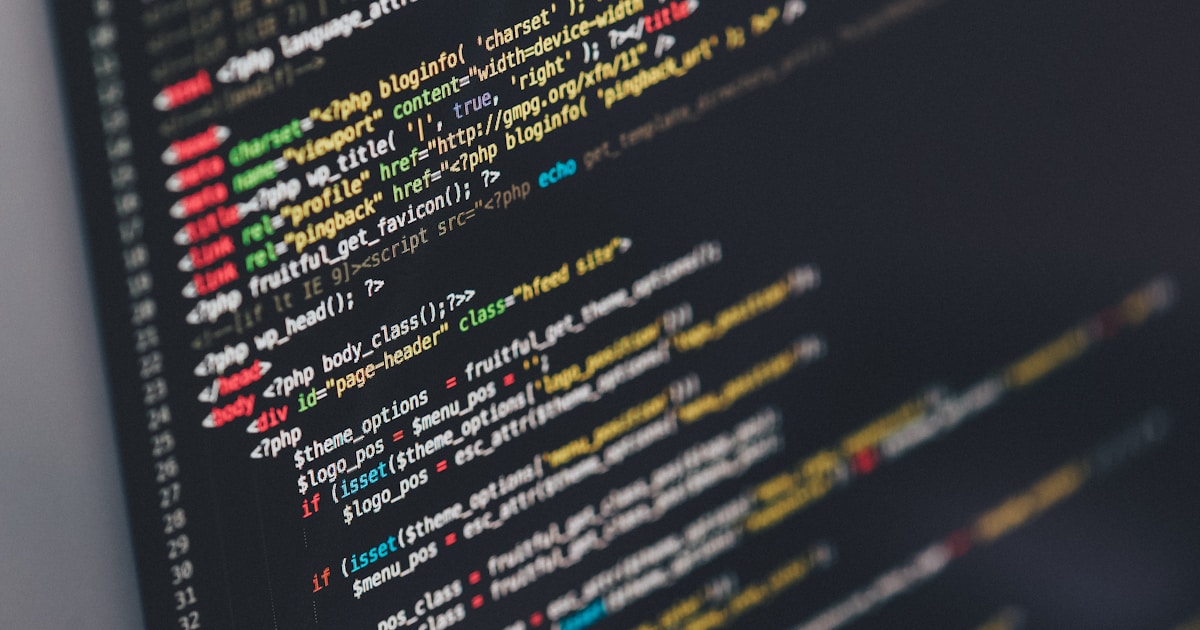
AI coding assistants aren't new. But in 2026, they've crossed a line that changes what it means to be a developer. We're no longer talking about fancy autocomplete — we're talking about autonomous agents that plan, execute, and iterate on entire features while you review the output.
Here's what's actually happening, what it means for your team, and where the hype still outpaces reality.
The Numbers: Developer Productivity Is Real (With Caveats)
Let's start with what the data says. Roughly 84% of developers now use or plan to use AI tools for code generation or review. Over half use them daily. Controlled studies show developers completing tasks 20–55% faster with AI assistance, saving an average of 3.6 to 4.1 hours per week.
That's significant. But here's the catch most vendors won't tell you: task-level speed doesn't always translate to organizational velocity. Teams that just hand developers a Copilot license and expect delivery timelines to shrink are consistently disappointed. The ones seeing real gains pair AI tools with updated review processes, delivery metrics, and security practices.
The Shift: From Writing Code to Reviewing It
The biggest paradigm shift in 2026 isn't speed — it's workflow. Developers are moving from a coding-first approach to a review-first approach. Instead of writing every line, you describe the outcome, let the AI generate the implementation, then review, refine, and approve.
This is sometimes called "vibe coding," and while the name is questionable, the concept is legitimate. AI handles the syntax, boilerplate, and repetitive patterns. You handle architecture, edge cases, and business logic — the stuff that actually requires judgment.
The result? Nearly 27% of production code is now AI-authored. For daily AI users, that number climbs to almost a third of merged, production-ready code.
Agentic AI: The Real Game-Changer
The leap from 2024-era assistants to 2026-era agents is substantial. Modern AI coding tools can:
- Plan multi-step workflows — break a feature into tasks, dependencies, and execution order
- Execute autonomously — write code, run tests, fix failures, and iterate
- Understand full repositories — not just the file you're editing, but the entire codebase context
- Interpret product requirements — translate high-level specs into implementation plans
We're heading toward "fire and forget" coding by 2027, where you describe what you want and the AI handles it end-to-end. We're not there yet, but the trajectory is clear.
Who Benefits Most? (It's Not Who You Think)
Early assumptions said junior developers would gain the most from AI assistance. The data tells a different story: senior developers often see the biggest productivity gains. They know what good code looks like, so they can review AI output faster and catch subtle issues that juniors miss.
That said, AI is proving invaluable for onboarding. New hires and engineers switching projects ramp up significantly faster when AI can explain codebases, suggest patterns, and generate boilerplate specific to the project's conventions.
Where AI Still Falls Short
Let's be honest about the gaps. AI coding assistants in 2026 still struggle with:
- System design at scale — understanding architectural trade-offs for large, distributed systems
- Security and threat modeling — zero-trust architectures and sophisticated attack vectors require human expertise
- Company-specific business logic — the AI doesn't know your domain rules, compliance requirements, or customer quirks
- Performance optimization — tuning for specific hardware or usage patterns remains a human skill
And here's a stat that should give every team lead pause: only 33% of developers fully trust AI-generated code. The other two-thirds review everything carefully — and they should. Studies show AI-generated code can introduce more defects when not reviewed by qualified humans.
What This Means for Your Business
If you're a business owner or team lead, here's the actionable takeaway: AI coding assistants are a force multiplier, not a replacement strategy.
To actually capture the productivity gains:
- Invest in review processes — faster code generation means more code to review. Your review pipeline needs to keep pace.
- Update your metrics — lines of code and commit frequency are meaningless now. Focus on delivery velocity, defect rates, and time-to-value.
- Retrain your team — developers need to learn prompt engineering, AI-assisted debugging, and review-first workflows. The skill set is shifting.
- Don't cut headcount prematurely — AI amplifies good developers. It doesn't replace the judgment, creativity, and domain knowledge that makes software actually work.
The Bottom Line
AI coding assistants in 2026 are genuinely transformative — but only for teams that adapt their workflows to match. The tools are powerful. The question is whether your organization is ready to use them properly.
At Nobrainer Lab, we build software with AI-augmented workflows baked into our process from day one. If you're looking to modernize your development pipeline or build a product with a team that actually understands these tools, let's talk.
0 Comments
No comments yet. Be the first to leave a comment!